
Choosing the right hearing aid is a critical step toward better communication and quality of life. Among premium hearing aid technologies, Oticon Intent and Phonak Lumity stand out for their advanced sound processing, comfort, and smart features. At VR Speech and Hearing Clinic, patients often ask which option delivers better real-world performance. This article provides a clear, professional comparison to help you make an informed decision.
Overview
Oticon Intent
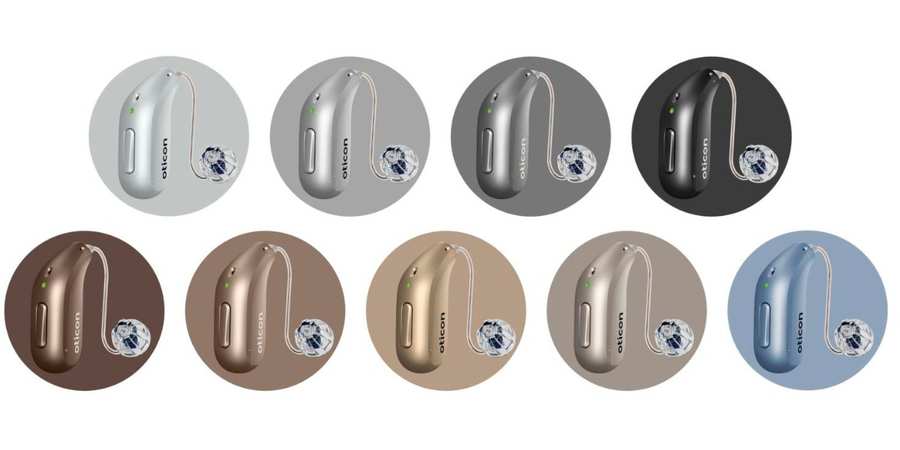
Oticon Intent is designed around a brain-first hearing philosophy, focusing on how the brain naturally makes sense of sound. It uses advanced sensors to understand the user’s listening needs and automatically adapts in different environments.
Phonak Lumity
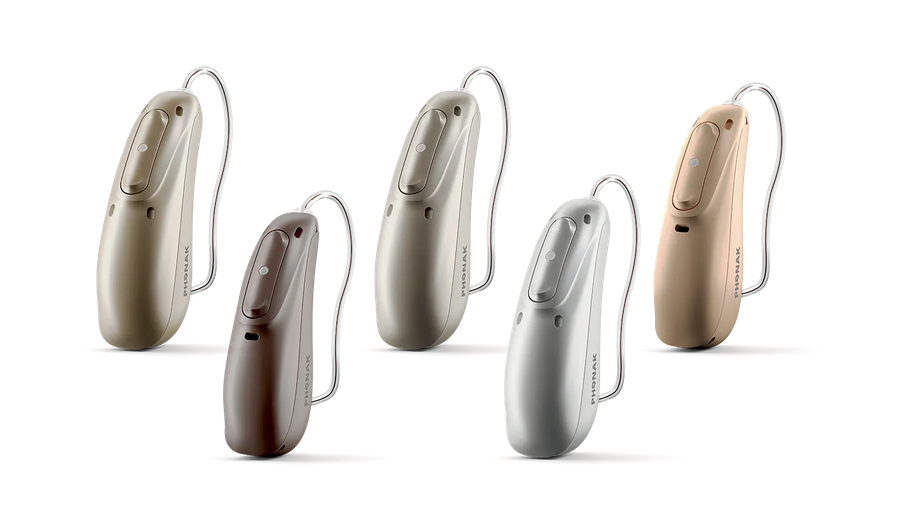
Phonak Lumity emphasizes speech clarity, especially in noisy environments. Its adaptive technology actively enhances speech from the direction that matters most, making it a strong choice for socially active users.
Sound Quality & Speech Understanding
Oticon Intent
-
Provides a more natural and balanced soundscape
-
Allows access to surrounding sounds, reducing listening effort
-
Excellent for users who prefer an open, less “processed” sound
Phonak Lumity
-
Strong speech-in-noise performance
-
Actively prioritizes speech, even in very challenging environments
-
Ideal for conversations in traffic, restaurants, and group meetings
Clinical Insight:
Patients who value comfort and natural listening often prefer Oticon Intent, while those who struggle most in noisy places typically benefit more from Phonak Lumity.
Technology & Innovation
Oticon Intent Highlights
-
Motion and conversation sensors that detect user intent
-
Automatic adjustment based on head and body movement
-
Improved listening comfort over long periods
Phonak Lumity Highlights
-
Smart speech enhancement that follows conversation focus
-
Adaptive directionality for dynamic listening situations
-
Proven reliability across varied sound environments
Connectivity & Ease of Use
Both Oticon Intent and Phonak Lumity offer:
-
Bluetooth connectivity with smartphones
-
Hands-free calling (select models)
-
Rechargeable options with full-day battery life
-
Mobile apps for volume and program control
Phonak devices are known for broader compatibility with Android phones, while Oticon offers seamless integration within its ecosystem.
Comfort, Design & Fitting
-
Both are available in discreet RIC (Receiver-in-Canal) designs
-
Lightweight, comfortable for all-day wear
-
Suitable for mild to severe hearing loss (model dependent)
At VR Speech and Hearing Clinic, precise fitting and fine-tuning ensure maximum benefit from either brand.
Price & Value (India)
-
Oticon Intent: Premium pricing, reflecting advanced sensor-driven technology
-
Phonak Lumity: Wide price range, from upper-mid to premium levels
Final cost depends on technology level, hearing loss severity, and customization needs.
Which One Should You Choose?
Choose Oticon Intent if:
-
You want natural sound and reduced listening fatigue
-
You spend long hours wearing hearing aids
-
Comfort and brain-friendly processing are priorities
Choose Phonak Lumity if:
-
You frequently communicate in noisy environments
-
Speech clarity is your main concern
-
You want strong performance in real-world conversations
Expert Recommendation from VR Speech and Hearing Clinic
There is no single “best” hearing aid—only the best hearing aid for your lifestyle and hearing profile. A detailed hearing evaluation and professional trial are essential before making a final decision.
At VR Speech and Hearing Clinic, our experienced audiologists help you compare Oticon Intent and Phonak Lumity through real-life testing, personalized fitting, and ongoing support—ensuring you achieve the best possible hearing outcome.
For professional guidance and advanced hearing solutions, trust VR Speech and Hearing Clinic.
Leave a Comment
Your email address will not be published. Required fields are marked *